Cardiac arrest does not announce itself. One minute somebody is talking at a barbeque, the next they get on the ground, less competent, and not breathing generally. The mins that adhere to matter more than most individuals recognize. An efficient CPR course provides you an exercised regimen to draw on when adrenaline spikes and great electric motor abilities go unclear. It replaces panic with a plan.
Over the years, I have coached parents, lifeguards, office groups, and tradies via their very first compressions. I have additionally enjoyed knowledgeable medical professionals obtain rustic between recertifications. The pattern corresponds. Understanding discolors unless you use it, and confidence originates from touching the manikin, listening to the responses click, and running drills with a fitness instructor who pushes you previous courteous hesitation. If you are considering a first aid course onsite emergency first aid training or particularly a CPR course, this guide sets out what you will certainly experience and just how to turn up all set, both physically and mentally.
Why CPR training deserves your time
Survival from out-of-hospital cardiac arrest rests on early CPR and fast accessibility to a defibrillator. In several areas, spectator CPR increases or triples the chances of survival. That is not marketing language, it shows huge computer system registry researches throughout city and country setups. Compressions maintain oxygenated blood relocating to the brain and heart. An automated outside defibrillator, or AED, can reset a fatal rhythm if made use of within the very first few minutes.
Most heart attacks happen at home. If you visualize a complete stranger on a walkway, adjust the psychological picture to a living room, a bedroom, or a kitchen area floor. The person you aid is likely somebody you know. That is why a first aid and CPR course is a solid investment for moms and dads, carers, and anybody monitoring groups, from trains to childcare workers. Companies build CPR training into their danger monitoring for a reason, yet the life you save might be much from your workplace.
Choosing the ideal course format
First, determine whether you need stand-alone CPR training or a more comprehensive first aid and CPR course. A stand-alone cpr course focuses on acknowledgment of cardiac arrest, top notch compressions, rescue breaths when indicated, AED use, and standard choking alleviation. It is compact and often scheduled as a brief session. A full first aid course covers CPR into a larger suite of skills, including hemorrhaging control, burns, cracks, diabetic emergencies, bronchial asthma, anaphylaxis, stroke recognition, seizures, and environmental injuries. If your role requires a first aid certificate for compliance, review your market requirements. Child care, construction, health first aid certificate course care, and fitness typically specify exact modules or course codes and recertification intervals.
Delivery styles differ. Typical class training courses fit people who find out ideal by doing and asking concerns in actual time. Mixed programs let you complete theory online, then go to a much shorter in-person functional to show skills. This option attract move employees and local participants who can not save a full day on site. For CPR refresher course requires, a much shorter functional update can maintain you certified and positive, particularly if you already hold a present first aid certificate and simply need to restore the CPR component.
Reputation issues. A supplier with skilled trainers, clear training manikins with comments, and reasonable situations makes a difference. Look for fitness instructors that have field experience, such as paramedics, nurses, or remote area first aiders. Ask how they take care of little class dimensions, because you want time on the manikin and calm teacher feedback. Suppliers that specialize in first aid training, such as First Aid Pro and other well established companies, frequently supply versatile timetables, team bookings, and office training on site.
What you will in fact do in a CPR class
Expect to function. You will stoop, you will certainly sweat a little, and your triceps will certainly grumble by the 2nd round. Good instructors pace the session so the practice rounds develop rather than exhaust you in the initial 10 minutes.
After a brief concept sector that covers cardiac physiology and chain of survival, you will relocate to the floor. You will practice a scene check to make sure safety and security, analyze responsiveness with a shoulder tap and a loud question, and look for typical breathing. Agonal gasps commonly toss beginners off. Trainers purposefully resemble those uneven, grasping breaths that are ineffective, so you discover to treat them as an indicator of cardiac arrest, not reassurance.
You will find out the right hand positioning for compressions on a grown-up manikin, lock your elbow joints, get your shoulders over your hands, and push to the right deepness. The training criterion for grownups continues to be roughly five to six centimeters at a price around 100 to 120 compressions per min. Some manikins have a built-in remote control or light system to assist deepness and rate. Others rely upon trainer monitoring and your very own counting. You will also exercise recoil, because leaning on the upper body between compressions restrictions blood return and lowers perfusion.
Rescue breaths come next if your training level requires them. With a pocket mask or guard, you will exercise sealing the mask, tilting the head, raising the chin, and providing two slow breaths that make the chest surge without requiring air into the stomach. Numerous contemporary cpr courses instruct compression-only CPR for inexperienced rescuers or when you are unwilling or unable to provide breaths. The program will certainly still clarify exactly how and when breaths matter, specifically in pediatric situations or drowning where hypoxia drove the collapse.
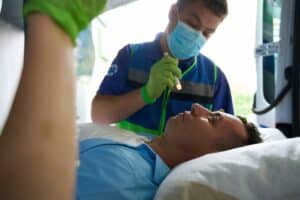
The AED section is usually the most empowering. You will certainly open up the instance, transform the tool on, and follow its prompts. AEDs are created for laypeople, yet there are information to get right. Correct pad placement, removing excessive breast hair with the provided razor if needed, ensuring the breast is completely dry, and keeping everyone clear during rhythm analysis and shock delivery all take technique. Fitness instructors will let you run numerous cycles so you really feel the rhythm of compressions, stops briefly, analysis, and shock, after that directly back to compressions.
Infant and kid alterations are covered in most first aid and cpr courses. You will change compression deepness and technique for smaller sized breasts, decrease breath quantity, and practice back strikes and upper body drives for choking babies. This part can be psychological for moms and dads and carers, and a delicate trainer will provide you time and room while still ensuring you obtain hands-on practice.
Finally, you will go through realistic situations. The instructor may organize an onlooker that panics, a slippery atmosphere, a congested workplace corridor, or a collapsed colleague on a sporting activities field with spectators yelling recommendations. These scenarios construct situational judgment that pure theory never ever develops.
What to wear, bring, and anticipate physically
Dress for the flooring. Loose trousers or jeans with some stretch, a tee or polo, and closed footwear are useful. Skirts and tight outfit trousers make stooping awkward. If you have knee issues, bring a knee pad or ask the fitness instructor for a mat. You will invest numerous collections of 2 to five minutes doing compressions. That does not sound like much until you do it. The majority of students are winded after the first appropriate set.
Bring a canteen, any needed ID, and the scheduling confirmation. If the session is mixed, full the online module in advance and bring the certificate or email showing completion. If you wear checking out glasses and expect to use a pocket mask, keep them handy. Some masks need a precise seal, and you will certainly want to see clearly.

If you have a shoulder, wrist, or back problem, tell your trainer prior to technique beginnings. They can aid you change placing, swap duties, or share collections. The real world seldom lets you remain, however training must not hurt you. A great teacher will additionally show just how to turn rescuers every 2 mins to keep compression quality, a habit that makes good sense on scene when you have help.
How courses are examined and how certifications are issued
Assessment generally blends theory with functional demonstration. The theory may be a short test that inspects your understanding of acknowledgment, compression rate and deepness, AED safety, and the actions of the activity strategy. Practical evaluation involves performing a complete cycle of adult CPR with correct compressions, breaths if indicated, and AED usage. For combined first aid and cpr courses, you will demonstrate added skills like hemorrhaging control and recuperation position.
Most providers issue an electronic first aid certificate or CPR certificate by email within a day or more once analysis is total. Some can release same-day certificates, which helps if you need evidence for a task beginning. Keep the certification in a location you can get quick. If your role is investigated, you will certainly be asked to show your currency.
How frequently you need to refresh
Skills decay is not personal, it is human. Researches show quantifiable decrease in CPR compression deepness and price within a few months if you do not exercise. That is why lots of companies suggest or call for a cpr refresher course every one year, even if your wider first aid certificate is valid for longer. High-risk roles occasionally revitalize every 6 months. If your work environment has a manikin or an AED instructor, brief self-practice sessions between official training courses can assist maintain your muscular tissue memory sharp.
Signs it is time to reserve a refresher
If you are reluctant while picturing the sequence, if you can not describe AED pad positioning without inspecting a photo, or if you have never ever experimented a baby manikin regardless of caring for a baby, schedule a refresher. Genuine confidence originates from recent method, not distant memory.
The emotional side of real rescues
Textbook CPR is clean. Actual rescues are messy. The individual on the flooring may be a companion or a coworker you saw at lunch. Their upper body could break as you compress. This is not a sign you are doing harm, it is a known effect when pushing hard adequate to relocate the sternum. There could be vomit, snoring audios from an obstructed respiratory tract, or troubled member of the family. Noise, sweat, and the clock all conspire to rattle you.
Good cpr training addresses tension monitoring. Taking a breath control in between turnings, utilizing brief expressions to coordinate with bystanders, and sticking to the regular prevent spiraling. After an actual event, debrief. If your work environment has an employee assistance program, use it. Instructors that have actually worked in the area can share basic grounding techniques and advise you of an essential reality: doing something is always better than freezing.
Special considerations for various environments
Workplaces differ. A workplace has actually carpeted floors, limited conference room, and probably a locked first aid cabinet. A factory has sound, moving equipment, and prospective chemical hazards. A pool deck has water everywhere and bare, damp skin, which matters when making use of an AED. A first aid training provider with experience across setups will tailor circumstances to your environment.
Parents and carers seek pediatric emphasis. Request for a first aid and cpr course that consists of child and baby modules as non-negotiable. Sports trainers frequently require added material on head injuries, spine precautions, and warmth illness. Remote work staffs take advantage of expanded first aid courses that cover improvisation and interaction with ambulance control when action times extend from minutes to hours. For browse lifesaving or marine facilities, drowning reaction and hypothermia administration take priority.
What makes direction effective
I court a program by a few markers:
- The ratio of practice time to talk leans greatly toward practice. Instructors offer specific, workable comments, such as "press from your hips and lift your wrists a millimeter to allow the chest rebound," not unclear praise. Scenarios consist of spectator management, AED troubleshooting, and ecological hazards. Manikins supply feedback on deepness and rate, and instructors examine hand positioning, recoil, and breath volume. The program acknowledges limitations. If the scene is risky, do not enter. If a defibrillator is not readily available, compress without pause and send out a person to locate one.
These attributes, found in solid first aid courses, differentiate "tick package" training from capability that stands up under pressure.
AED myths that training gets rid of up
People fret about surprising the wrong individual. AEDs assess cardiac rhythm and will not suggest a shock if the rhythm is not shockable. You can put pads on a person with a pacemaker, though you avoid positioning a pad straight over the gadget lump. Chest hair can disrupt pad bond, which is why AED sets include a razor. If the person is wet, you dry the upper body promptly. If they are on a steel surface area, like a pool ladder or a damp aluminum bench, make certain no person is touching them throughout evaluation or shock. The device voice prompts guide you with all of this, and in training you will certainly listen to and follow those prompts until they come to be second nature.
How to prepare your mind and area after the course
Skills fade without repetition, so plan short refresher courses. Location the AED area on your phone notes with an image. Stroll the route from your workdesk or usual area to the device. If you reside in an apartment building, figure out if there is an AED in the entrance hall or fitness center. On a family members degree, store a pocket mask in your vehicle glovebox and a pair of nitrile handwear covers in your backpack. If you run a sports club, consist of a CPR drill in pre-season training and designate clear functions for who calls emergency services, that brings the AED, and who meets the ambulance at the gate.

For those who have finished a first aid and cpr course, set schedule suggestions. At month 3, review your notes and watch a reputable refresher course video from your training company. At month 6, technique compressions on a firm pillow momentarily while maintaining count with a metronome set to 110. It is not an alternative to formal renewal, but it maintains the activity pattern alive.
The composition of a solid emergency call
You will exercise calling the emergency number as component of your cpr training. Little details aid dispatchers send the best help quick. Provide the specific address, nearby cross road, and any kind of accessibility codes. State clearly that the person is not breathing generally and that you are starting CPR. Put the phone on speaker at the patient's side. The call-taker will certainly train you. Answer basically expressions between compressions. If you are solo, do not leave the individual unless you must fetch an AED and there is no one else to send. If you Learn more have a team, assign functions. The person on the phone need to not leave that function until paramedics show up, unless they are turning in to compress.
Choking response and where CPR fits
Many first aid courses consist of choking methods, which commonly wind up adjacent to CPR method. For adults and kids that are mindful and choking, cycles of back strikes and abdominal thrusts can clear the air passage. If the individual ends up being unresponsive, you lower them to the flooring, telephone call for assistance, begin CPR, and examine the mouth for visible things between cycles. Rescue breaths in this context often deliver sufficient positive pressure to relocate an obstruction. Training assists you make these transitions smoothly, without throwing away time.
Costs, time, and useful planning
Expect a stand-alone CPR course to run in between two and four hours, depending upon whether concept is blended online. A full first aid and cpr course can take a half day to a full day. Prices differs by area and supplier, and team reservations typically decrease per-person expenses. Ask if your company provides on-site training at your office, which conserves travel time and lets you exercise in the setting where you are more than likely to respond.
If you need a first aid certificate for compliance, check legitimacy periods. Many areas acknowledge 3 years for the broad first aid credential, with annual CPR refresher courses suggested or needed. Watch on program codes and updates. Standards develop regarding every 5 years as global councils assess proof. Excellent providers upgrade course content swiftly, and a cpr refresher course is an uncomplicated way to straighten with the most recent recommendations.
A quick story from the field
A middle supervisor in her fifties scheduled a first aid training session for her group. She almost terminated, suggesting quarter-end targets would experience. 2 weeks later, a storehouse contractor broke down near the loading dock. The closest AED hung 30 meters away in the break area. Among her group moved the pallet jack to clear flooring room, another required an ambulance with the exact entrance number, and she started compressions. A third teammate dashed for the AED. The initial shock came within 3 mins. The man left medical facility a couple of days later, anxious to say thanks to individuals who had actually touched his sternum hard enough to bruise and had actually maintained going while the tool reanalyzed. Later on, over coffee, the manager stated the drills had actually felt awkward at the time. Standing in the storage facility, they were everything.
What to anticipate after a real event
If you perform CPR, you will feel off-kilter later. That is normal. Anticipate unstable hands, replay loopholes in your head, and questions regarding whether you did enough. Debrief with your group and, if available, with the responding paramedics. Write down what you keep in mind while it is fresh. Educate your training supplier, particularly if your office has a support agreement. Some service providers use post-incident follow-up, and they can aid you refine the experience, correct any type of gaps, and advise an earlier refresher if needed.
Getting started
Book the program. If you have actually been procrastinating, select a date four to six weeks out, alert your manager or family, and dedicate. Select a credible first aid training supplier with strong reviews and teachers that have real-world experience. Choose whether you need a full first aid and cpr course or a focused cpr course with an option for renewal yearly. If you already hold a credential and really feel uncertain, routine a cpr refresher course rather than waiting on the expiry date.
One final note. The ideal compression does not exist beyond training areas. Actual rescues reward persistence and adherence to the essentials. Press set on the facility of the breast, let it rise fully, reduce stops, make use of an AED as soon as it gets here, and collaborate your group. That is the back of every reliable reaction strategy, whether you learned it in a compact CPR course or as part of detailed first aid courses. Once you have that back, every little thing else you add - much better teamwork, environmental understanding, pediatric nuances - reinforces your ability to act when seconds count.